
Welcome back to this week’s P | A | C | T news, your newsletter by Tech Talent North.
If your teams are spread across regions, you’ve probably felt it.
Work takes a little longer than it should. Decisions stall. Meetings are harder to coordinate. Things don’t quite flow the way they used to.
It’s rarely one big issue. Instead, it’s the accumulation of small ones.
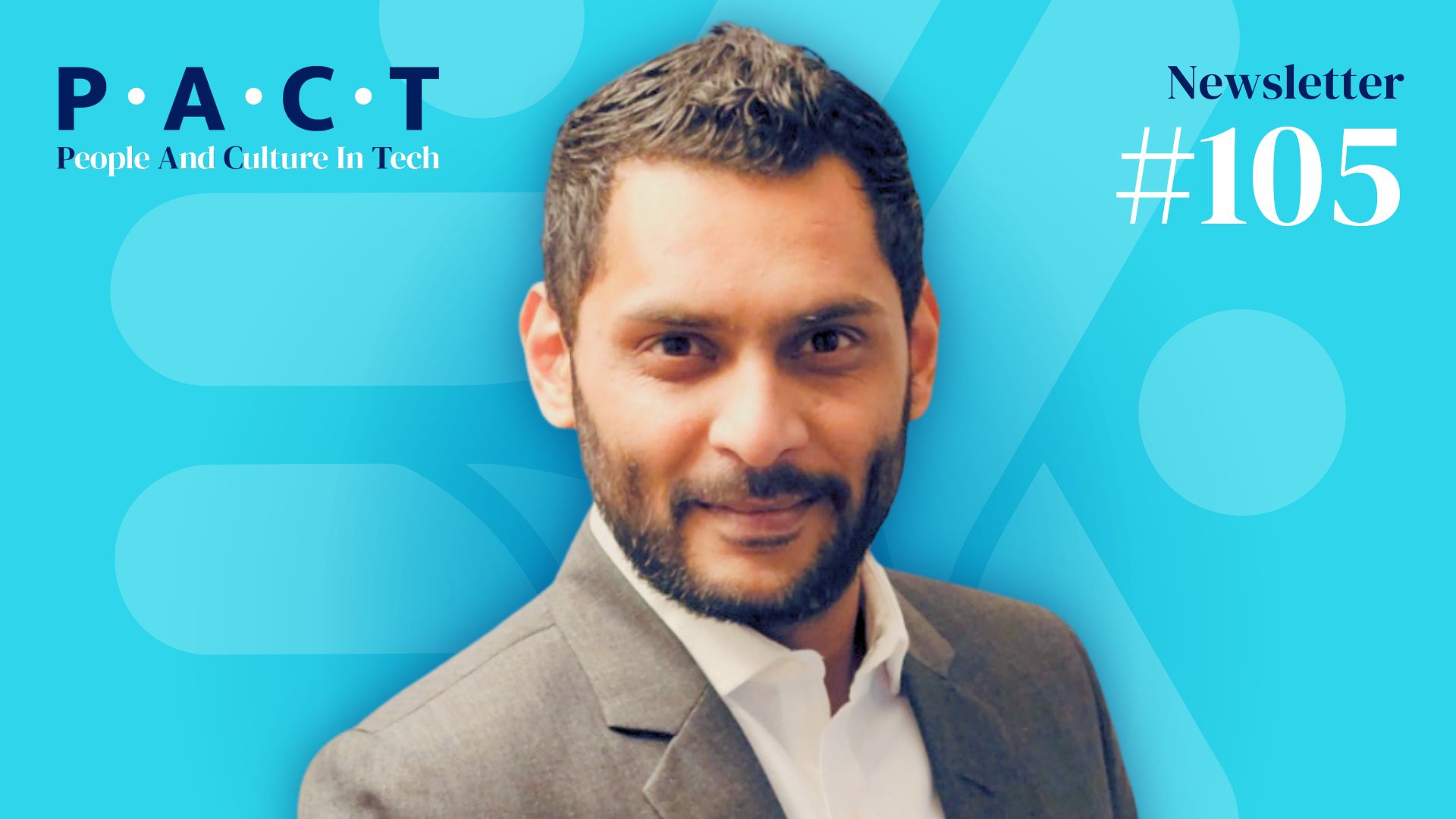
At Tech Talent North, Vimal Patel, Global Head & Director of HR Services, Technology & Mobility at Kinaxis, shared a grounded look at why this happens and where HR leaders can step in to improve how work actually gets done.
Drawing on his experience leading global HR operations across 27 locations, he focused on what breaks down in practice and how to fix it.
Key takeaways:
- Friction in global teams usually comes from structure, not people
- Decision making needs to move closer to where the work is happening
- Clear, connected processes matter more than adding new tools

When Vimal Patel talks about operational friction, he doesn’t point to performance gaps, he points to design.
The way teams are structured, how decisions are made and how work moves between functions and regions.
“You are still operating in silos, not intentionally, but that’s by design right now.”
That observation resonates because it reflects how most organisations actually operate. Silos are rarely deliberate, they form over time through habits, systems and legacy ways of working.
As organisations expand globally, those patterns start to create drag.
Where Friction Starts To Build
From Vimal’s perspective, time is one of the first places this shows up.
Global teams operate continuously, but not simultaneously.
“Most tech organisations operate 24/7. That doesn’t mean their people are available 24/7.”
Work pauses between regions, decisions wait and momentum slows.
Communication then adds another layer. In hybrid environments, it’s easy for remote participants to be overlooked, even when they’re technically part of the conversation.
Over time, these small gaps lead to misalignment.
Then process compounds the issue.
When ownership is unclear or handoffs are inconsistent, teams spend more time navigating internal systems than progressing the work itself.
For HR leaders, this is where operational excellence becomes real. It sits in how work flows across the organisation.

1. Distribute Decision Making
One of the most common sources of delay is centralised decision making.
When decisions sit primarily with headquarters, teams in other regions are left waiting.
“Decision making shouldn’t be a guardrail. It should be distributed.”
Vimal’s point was practical. Work moves faster when decision making is closer to where the work is happening.
This shift requires clarity and teams need to understand what they own and where they can act independently.
For HR, this often means rethinking governance. Moving away from tightly controlled approval structures and toward clearer accountability across regions.
2. Shift How Communication Happens
Communication was another area Vimal highlighted as a consistent friction point.
Many organisations still rely on recurring meetings to stay aligned. Across time zones, that quickly becomes inefficient.
He pointed to a simple alternative.
“Biweekly video updates… everyone can view those videos whenever they want.”
The goal is not to reduce communication. It is to make it work across time zones without slowing teams down.
Many organizations are already moving this way. Those that haven’t shifted toward more asynchronous communication are starting to feel the effect.
When updates are shared in formats that teams can engage with on their own time, alignment improves without adding more meetings.
For HR leaders, this is an immediate opportunity to rethink how information flows across teams.

3. Get The Process Right First
When operations start to strain, technology often becomes the focus.
Vimal pushed back on that instinct.
“Garbage in, garbage out is what AI will give you.”
Technology reflects the quality of the process behind it. If the process is unclear or fragmented, the output will be too.
He encouraged leaders to look earlier in the system.
Hiring, for example, does not begin with a job requisition. It starts with planning, budgeting, and approvals. When those steps are disconnected, the rest of the process becomes harder to manage.
For HR teams, this creates a clear starting point.
Focus on one process. Map it end to end. Identify where it slows down or where ownership is unclear.
Mapping the process should be the first and last step before introducing any new tools. If the flow isn’t clear, the tool won’t fix it.
4. Invest In Your Existing Workforce
As roles evolve, Vimal also pointed to a shift in how organisations should think about talent.
Rather than focusing only on hiring externally, there is an opportunity to build capability internally.
“AI is only as good as the people monitoring AI.”
As technology takes on more operational work, new responsibilities emerge. Teams need to understand, guide and improve those systems.
Organisations that invest in developing these skills internally are often better positioned to adapt.
For HR, this means identifying future skill needs early and creating clear pathways for employees to grow into them.
A Practical Starting Point
Vimal closed with a reminder that progress does not require a full transformation effort from day one.
“Start with one process and make it boundaryless. Baby steps and you will get there.”
For HR leaders, the most effective place to begin is often the most visible point of friction.
Where is work slowing down today?
Improving that one area can create momentum that carries across the organisation.
Join 300+ senior People & Culture leaders at Tech Talent North, Eastern Edition on June 3rd 2026 in Toronto, Canada’s conference for HR leaders in tech.